In a home learning environment, one size rarely fits all. Children have different learning styles, attention spans, and sensory preferences—and meeting those needs can feel overwhelming. That’s where multisensory learning shines.
Multisensory learning is the practice of engaging more than one sense at a time—sight, sound, touch, and sometimes even movement—to improve memory, understanding, and focus. It’s a proven strategy for learners of all types, especially those who thrive with hands-on or interactive approaches.
At home, incorporating multisensory learning into your routine doesn’t have to mean complicated materials or time-consuming prep. In fact, Wordela makes it simple.
What Is Multisensory Learning, and Why Does It Matter?
When students engage multiple senses while learning, they create stronger neural connections. This makes it easier to retain information and apply it across subjects.

For example:
- Visual learners benefit from seeing words, colors, and images.
- Auditory learners retain information by hearing it spoken aloud.
- Kinesthetic learners learn best when they interact physically—by typing, dragging, or moving.
Multisensory methods also support students with learning differences such as dyslexia or ADHD, making vocabulary learning more accessible and enjoyable.
Boost student vocabulary, spelling, and literacy with Wordela!
Boost vocabulary, strengthen reading skills, and study smarter with a platform designed to keep learners engaged and growing—wherever they are.



How Wordela Brings Multisensory Learning to Life
Wordela was designed with multisensory learning in mind, making vocabulary development more interactive and personalized. Here’s how it supports learning through different sensory channels—all from the comfort of home:
1. Visual Engagement
Wordela’s clean, colorful interface highlights each word with visuals, definitions, and sentence examples. Learners see words broken down by part of speech and usage, helping them process meaning through visual clarity.
2. Auditory Support
Each word comes with audio pronunciation, so learners can hear how it’s spoken—essential for developing proper usage and confidence in speaking. This feature benefits both emerging readers and second-language learners alike.
3. Tactile and Interactive Learning
Multisensory learning thrives on action, and Wordela includes interactive tools that allow learners to click, type, drag, and build. This hands-on approach improves memory by involving movement and decision-making.
4. Progressive Feedback and Motivation
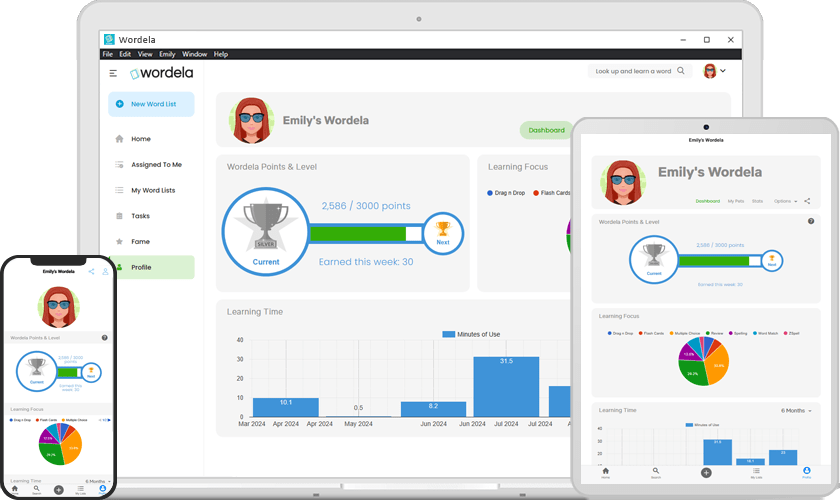
Learners receive instant feedback as they go—making progress visible and tangible. Seeing improvement over time boosts motivation and gives learners ownership of their success.
Flexible for Homeschooling, Homework, or Independent Learning
Whether you’re homeschooling full-time or just supplementing after school, Wordela’s structure supports flexible, at-your-own-pace learning. It works just as well in a quiet one-on-one setting as it does as part of a larger routine.
Because it blends structure with creativity, learners stay focused without feeling pressured—and they can revisit activities as often as needed for reinforcement.
Empowering All Types of Learners
Not every child learns the same way, and that’s okay. Multisensory learning acknowledges these differences and creates opportunities for every learner to succeed.
Wordela’s thoughtful combination of visuals, audio, and interaction transforms vocabulary building from rote memorization into a personalized, meaningful experience—one that fits easily into daily home learning.
Not on Wordela Yet? You're Missing Out!
Students master vocabulary, sharpen reading skills, and supercharge learning with Wordela—the smart platform for adaptive, engaging language development. Whether you’re a student, a homeschooler, or leading a classroom, Wordela has the perfect path to help you succeed!
Choose Your Ideal Experience: