
In the world of homeschooling, parents often face the challenge—and privilege—of shaping an education that reflects both academic goals and personal values. While math, science, reading, and history often take center stage, there’s one foundational skill that underpins them all: vocabulary.
A rich vocabulary isn’t just about knowing more words—it’s about unlocking greater understanding, clearer communication, and lifelong learning. That’s why vocabulary deserves a central place in every homeschool curriculum.
Vocabulary Fuels Every Subject
At first glance, vocabulary might seem like a subcategory of language arts. But its reach goes much further.
- In science, knowing terms like photosynthesis or evaporation transforms confusion into comprehension.
- In history, understanding words like revolution, treaty, or civilization deepens engagement with events and ideas.
- In math, words like quotient and parallel are essential for solving problems correctly.
Strong vocabulary skills empower students to grasp complex concepts across disciplines, giving them the language to think critically and communicate effectively.
Reading Comprehension Starts with Word Knowledge
For homeschoolers, reading is often a cornerstone of learning. But fluent reading requires more than phonics and decoding—it requires knowing what the words mean.
Children who understand the words they read are more likely to stay engaged, ask questions, and make connections. This leads to better retention, deeper understanding, and more enjoyment of learning overall.
Building vocabulary actively—rather than passively waiting for new words to appear—can greatly enhance reading comprehension from an early age.
Boost student vocabulary, spelling, and literacy with Wordela!
Boost vocabulary, strengthen reading skills, and study smarter with a platform designed to keep learners engaged and growing—wherever they are.



Writing and Expression Thrive on Word Choice
Writing is a powerful part of any homeschool journey, from journals and book reports to essays and creative stories. A rich vocabulary gives students the tools to express themselves with clarity, variety, and depth.
Instead of writing, “The book was good,” a student with a stronger vocabulary might say, “The book was thought-provoking and filled with suspense.” Word choice adds color and credibility to communication—a valuable skill for both academic and real-world writing.
Vocabulary Builds Confidence in Communication
Many homeschoolers thrive in small-group or one-on-one settings, but when it’s time to join co-ops, competitions, or community programs, communication becomes key.
A child who has a strong vocabulary is more likely to participate in discussions, give presentations, or express their thoughts clearly in new environments. Vocabulary supports self-confidence, social interaction, and leadership—all skills that grow beyond academics.
In some homeschool co-ops, vocabulary study is being integrated as a collaborative activity using shared resources. For example, platforms like Wordela offer tools designed specifically for homeschool groups, making it easier to unify vocabulary goals across a co-op while still supporting individual learning. It’s a helpful option for co-op organizers seeking flexible but consistent ways to build language skills together.
How to Integrate Vocabulary Seamlessly Into Your Homeschool
- Daily Word Practice: Introduce a “word of the day” and use it in conversation, writing, or storytelling.
- Reading Aloud Together: Pause to discuss new or unfamiliar words.
- Subject-Based Word Lists: Connect vocabulary to current science or history topics.
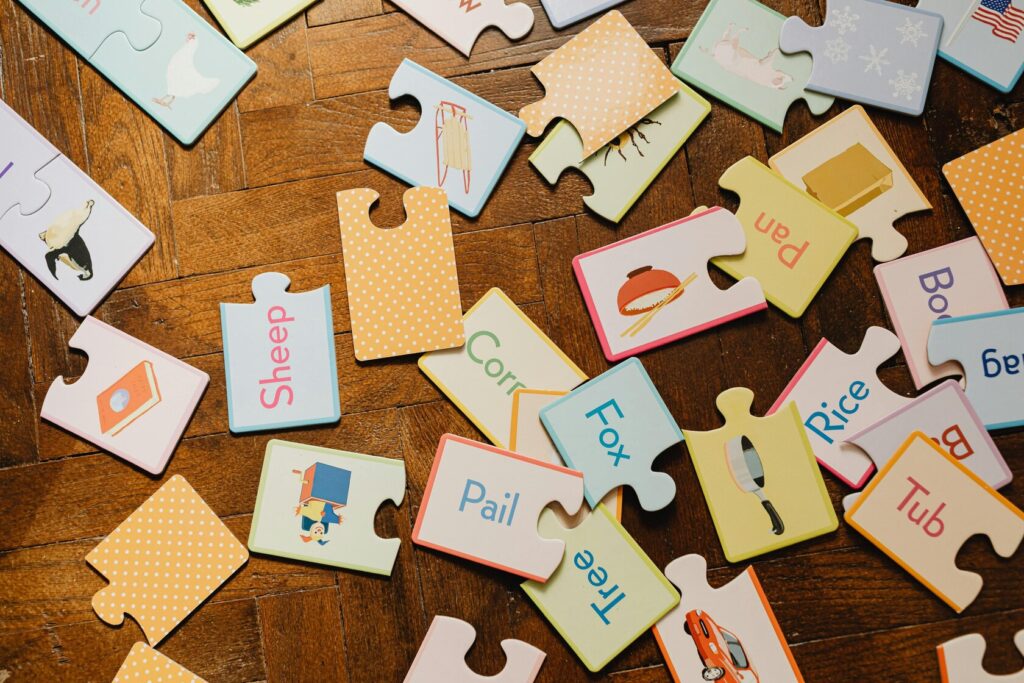
- Games and Activities: Word puzzles, matching games, and flashcards keep learning fun.
- Digital Tools: Vocabulary platforms with homeschool-friendly features can make learning more interactive and trackable. Some, like Wordela, support flexible formats for both solo learners and cooperative groups.
The goal isn’t to memorize lists—it’s to help children own the words they learn by using them in meaningful ways.
A Language Foundation That Lasts
When vocabulary is woven into your homeschool curriculum with intention, it becomes more than an academic exercise. It becomes a skill that empowers your learner to think independently, express themselves clearly, and engage deeply with the world around them.
In many ways, vocabulary is the thread that connects all subjects—and all learners—to a richer, more confident education.
Not on Wordela Yet? You're Missing Out!
Students master vocabulary, sharpen reading skills, and supercharge learning with Wordela—the smart platform for adaptive, engaging language development. Whether you’re a student, a homeschooler, or leading a classroom, Wordela has the perfect path to help you succeed!
Choose Your Ideal Experience: