Some students arrive at school already knowing thousands more words than their peers.
This invisible but powerful divide is called the vocabulary gap, and it can have lasting effects on learning, confidence, and opportunity. The gap often begins before kindergarten and can widen over time if it’s not addressed with intention and equity.

The good news? With the right tools and strategies, the vocabulary gap can be closed—and all students can be empowered to succeed.
What Causes the Vocabulary Gap?
The vocabulary gap isn’t about ability—it’s about access. Children from language-rich homes may hear 30 million more words by age four than children from less verbally interactive environments. That exposure shapes how well they understand stories, follow directions, and express themselves.

Several factors influence this gap:
- Availability of rich, diverse vocabulary at home and in school
- Socioeconomic status and early exposure to books and conversation
- Access to high-quality preschool education
- Number of adults and caregivers actively engaging with a child
By the time students reach elementary school, these differences in vocabulary size can directly impact reading comprehension and classroom participation.
Why Vocabulary Matters in Every Subject
Vocabulary isn’t just about English class—it’s the language of every subject. If a student doesn’t understand key terms like “estimate” in math or “revolution” in history, they can’t fully engage with the material.
A limited vocabulary can:
- Undermine reading fluency and comprehension
- Affects writing clarity and depth
- Limit class participation and expression
- Lower test performance and academic self-esteem
Addressing this early is essential not just for literacy but for lifelong learning.
Boost student vocabulary, spelling, and literacy with Wordela!
Boost vocabulary, strengthen reading skills, and study smarter with a platform designed to keep learners engaged and growing—wherever they are.

How Wordela Helps Close the Vocabulary Gap
Wordela was designed with one mission in mind: to make vocabulary learning more accessible, engaging, and effective for everyone—no matter where they start.
Here’s how Wordela tackles the vocabulary gap:
Adaptive Learning for Every Learner
Wordela meets students where they are. Whether a learner is just beginning to build basic vocabulary or tackling complex academic terms, the platform adjusts in real time—offering the right words at the right pace.
Visuals and Context for Deeper Understanding
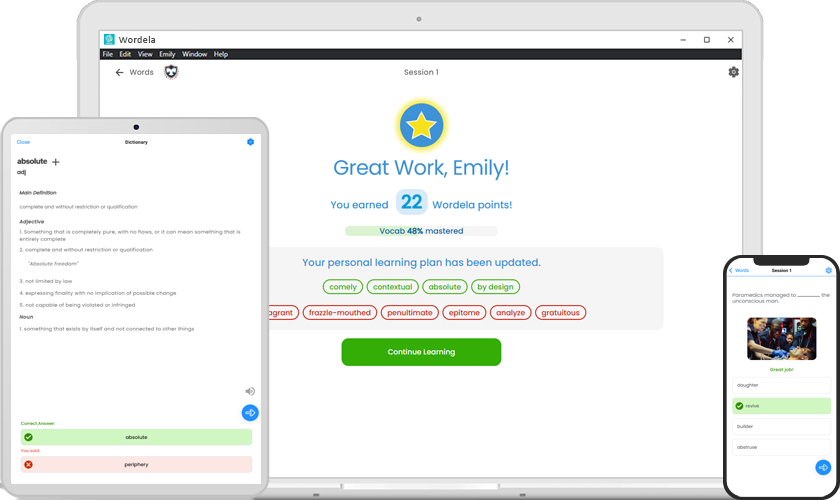
Every word comes with visuals, examples, and sentence use—helping students go beyond memorization. This supports language learners, students with dyslexia, and others who benefit from multimodal input.
Spaced Repetition and Smart Practice
Using cognitive science, Wordela spaces out word review to support long-term memory. This helps students actually remember the words they learn—not just recognize them on a test.
Inclusive and Gamified Engagement
The platform’s interactive features—like word journeys, progress tracking, and optional games—keep learners motivated and reduce the anxiety often tied to vocabulary assessments.
Support for Teachers and Families
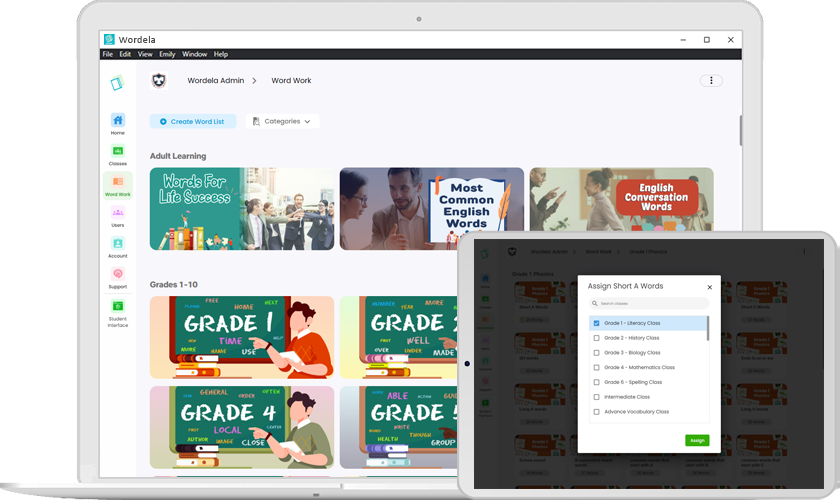
Wordela isn’t just for students—it provides insights and support for educators and caregivers, helping them identify gaps and guide growth with confidence.
Bridging the Word Divide, One Learner at a Time
The vocabulary gap is real—but it’s not permanent. With tools like Wordela that blend equity, science, and joy, we can make sure every learner has the words they need to thrive in school and beyond.
When we give students language, we give them voice, access, and opportunity.
Not on Wordela Yet? You're Missing Out!
Students master vocabulary, sharpen reading skills, and supercharge learning with Wordela—the smart platform for adaptive, engaging language development. Whether you’re a student, a homeschooler, or leading a classroom, Wordela has the perfect path to help you succeed!
Choose Your Ideal Experience: