

Tracking vocabulary progress is an important part of helping homeschoolers build strong language skills. While formal testing can provide some insight, it does not always reflect how well a child truly understands and uses new words. Vocabulary growth often happens gradually through reading, conversation, and everyday experiences.
In homeschool settings, parents have the flexibility to use more personalized and meaningful approaches to monitor progress. Instead of relying on frequent tests, they can observe how children apply vocabulary in real-life situations.
This approach supports steady vocabulary development by focusing on practical language use rather than memorization alone. When tracking is integrated into daily learning, it becomes a natural and supportive part of the process.
The goal is not simply to measure how many words a child knows, but to understand how effectively they can use those words in communication.
Observing Vocabulary in Daily Activities

One of the most effective ways to track vocabulary progress is through observation. Everyday interactions provide valuable opportunities to see how children are using language.
For example, during conversations, parents can listen for how children describe ideas, ask questions, or explain experiences. Are they using new words accurately? Are they experimenting with more descriptive language? These moments offer clear evidence of progress.
Reading activities also provide insight. When children read independently or aloud, parents can observe how they respond to unfamiliar words. Do they use context to figure out meanings? Do they ask questions about new vocabulary? These behaviors reflect growing word understanding.
Writing is another powerful indicator. Journals, stories, or simple written reflections allow children to apply vocabulary in context. Reviewing these pieces over time can show how language use becomes more detailed and precise.
Keeping a vocabulary notebook can also help track progress. Children can record new words, write definitions, and create example sentences. Looking back at earlier entries makes it easy to see how their vocabulary has expanded.
Importantly, these methods allow parents to track development without creating pressure. Learning remains focused on exploration and communication rather than performance.
Using Simple Tools to Monitor Growth
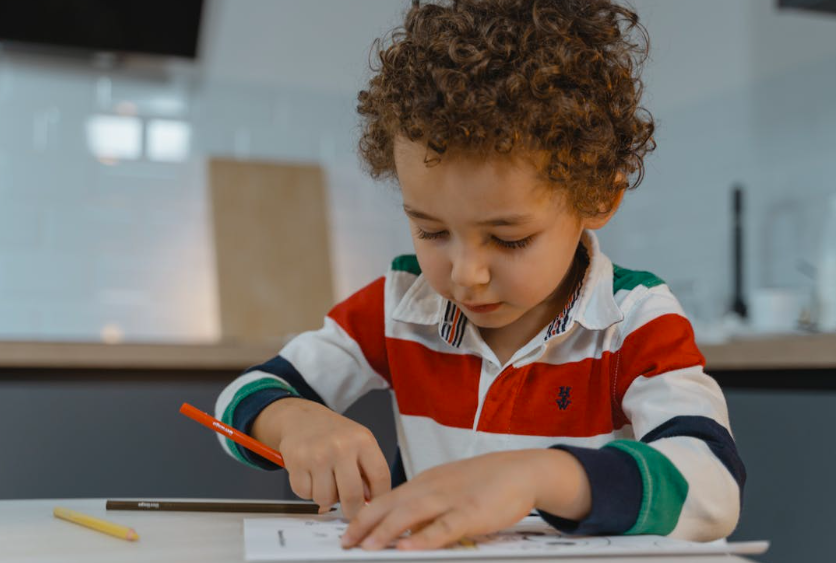
In addition to observation, homeschoolers can use simple tools to keep track of vocabulary learning in an organized way.
One effective method is maintaining a vocabulary list or chart. This can include words learned each week, along with notes on how well the child understands and uses them. Categories such as “new,” “practicing,” and “mastered” can help track progress over time.
Another approach is setting small, achievable goals. For example, a learner might aim to use five new words in conversation during the week or include specific vocabulary in a writing assignment. Tracking these goals provides a clear sense of progress and accomplishment.
Digital tools can also support vocabulary tracking. Apps and online platforms often include features that record progress, review performance, and highlight areas for improvement. These tools can complement traditional methods and provide additional structure.
Regular review sessions are also helpful. Revisiting previously learned words ensures that they remain part of the learner’s active vocabulary. This process reinforces vocabulary growth and helps prevent forgetting.
Parents can also use informal check-ins to assess understanding. Asking a child to explain a word, use it in a sentence, or relate it to an experience provides valuable insight into their comprehension.
Celebrating progress is another important element. Recognizing effort and improvement encourages motivation and helps children feel confident in their learning journey.
Ultimately, tracking vocabulary progress in homeschool settings does not need to be complicated. By combining observation, simple tools, and consistent practice, parents can gain a clear picture of how their child’s language skills are developing.
This flexible approach allows learning to remain engaging and meaningful while still providing valuable feedback. Over time, children not only build a stronger vocabulary but also develop the confidence to use language effectively in a variety of situations.