

Homeschooling gives families the opportunity to create flexible and personalized learning experiences. One of the most effective ways to support language development at home is through writing. When learners regularly write stories, reflections, essays, and creative pieces, they naturally encounter new words and discover how vocabulary can strengthen communication.
Vocabulary growth is not only about memorizing definitions. It is about understanding how words work, when to use them, and how they help express ideas more clearly. Writing provides a practical environment where homeschoolers can experiment with language and build confidence over time.
By making writing a regular part of home education, parents can help learners develop stronger word skills while encouraging creativity and independent thinking.
How Writing Encourages Vocabulary Growth at Home
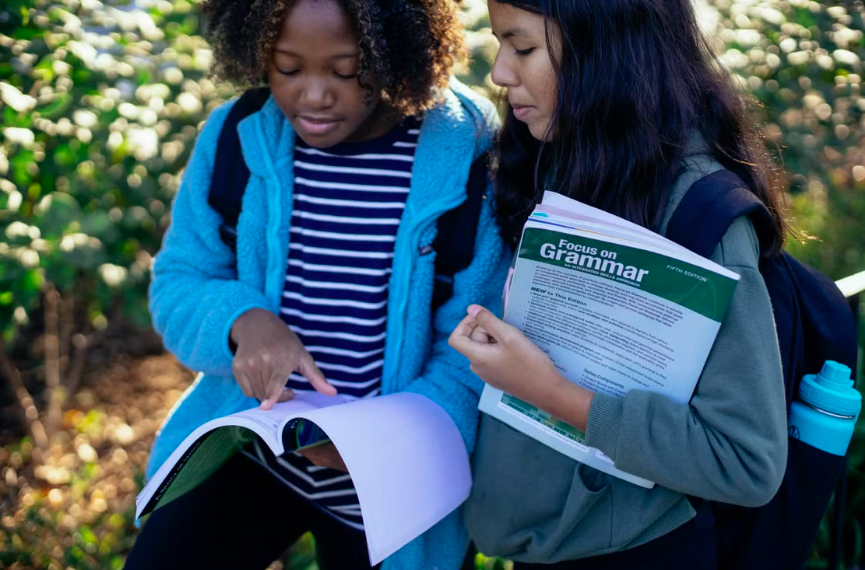
Writing allows students to actively use the words they learn. Instead of simply recognizing a word on a worksheet, learners can practice placing it into sentences, stories, and conversations. This active process helps new vocabulary become more familiar and easier to remember.
Homeschoolers can explore vocabulary through many different writing activities. Journaling, creative storytelling, book responses, and research projects all provide opportunities to discover new words. A student writing about nature, for example, may learn descriptive terms that help them explain observations in greater detail. A student creating a fictional story may explore words related to emotions, settings, and character development.
Parents can also introduce vocabulary naturally during daily lessons. Conversations, reading sessions, and writing assignments can become moments for discovering new expressions. Small, consistent activities can make a meaningful difference, especially when learners build habits that encourage regular practice. Simple routines that support language development can connect with ideas found in building vocabulary through everyday learning habits.
Another advantage of writing-based vocabulary learning is that students begin to understand the relationship between word choice and meaning. Choosing a stronger word can make writing more precise, engaging, and effective. Instead of using the same familiar terms repeatedly, learners can explore alternatives that better communicate their thoughts. Resources focused on developing a stronger writing voice through better word choices highlight how vocabulary can transform written expression.
Writing also gives homeschoolers the freedom to learn at their own pace. Students who need more time with new words can revisit concepts through additional practice, while advanced learners can challenge themselves with more complex vocabulary.
Creating Meaningful Vocabulary Activities
Successful vocabulary building at home often comes from connecting words to real experiences. When students understand why a word matters, they are more likely to remember it and use it confidently.
One helpful approach is encouraging learners to write about topics they already enjoy. A student interested in animals might create a report using science-related vocabulary. A student who enjoys stories might write a character description using detailed language. Personal connections make vocabulary learning more enjoyable and memorable.
Parents can also encourage learners to revise their writing. During editing, students can look for repeated words and replace them with more specific choices. This process helps them recognize that strong writing often depends on selecting the right words for the message. Understanding how vocabulary affects communication can be supported through lessons about expressing ideas with greater clarity and purpose.
Another useful strategy is teaching vocabulary through context. When students see new words in sentences or stories, they can better understand meaning and usage. Writing assignments can become opportunities to practice using words naturally rather than memorizing them separately.
Homeschoolers can also create vocabulary journals where they record new words, meanings, example sentences, and personal notes. Over time, these collections become valuable references that show a learner’s progress. Reviewing previous entries can help students recognize how much their vocabulary has expanded.
Writing at home also supports skills beyond vocabulary. Strong language abilities help students organize thoughts, explain opinions, and communicate effectively. Whether they are writing academic assignments or personal reflections, learners with broader vocabularies often have more tools to express themselves.
Vocabulary development through writing is a gradual process, but every sentence creates an opportunity to learn. With consistent practice, supportive guidance, and engaging activities, homeschoolers can build word skills that benefit them throughout their education and beyond.