

A strong vocabulary doesn’t develop overnight. It grows through repeated exposure, meaningful practice, and consistent use over time. For homeschool families, this presents a unique opportunity. Without the constraints of a traditional classroom schedule, parents can weave vocabulary learning naturally into everyday activities, creating habits that become part of daily life rather than another subject to complete.
The most effective vocabulary instruction is not built around memorizing long lists of words. Instead, it encourages learners to discover new language through reading, conversation, writing, and curiosity. When vocabulary becomes part of a regular routine, children begin to use new words with confidence, strengthening both communication and comprehension as they grow.
Small Daily Habits Lead to Big Results

Consistency is one of the greatest advantages of homeschooling. Even spending just a few minutes each day exploring new words can produce impressive long-term growth.
A simple routine might begin with introducing one or two new words during morning lessons. Rather than immediately asking children to memorize definitions, encourage them to notice the words while reading books, listening to stories, or discussing current topics. Seeing vocabulary used naturally helps children understand not only what words mean but also how they function in different situations.
Reading aloud is another powerful habit. Rich children’s literature exposes learners to vocabulary that rarely appears in everyday conversation. Parents can pause occasionally to discuss unfamiliar words, ask children to predict meanings from context, and revisit those words later during the week.
Helping children develop the skill of discovering meaning independently is equally valuable. Learning how to recognize clues within surrounding sentences allows learners to expand their vocabulary naturally while reading. Exploring strategies for learning through context offers practical ways to strengthen this important skill.
Daily writing also reinforces vocabulary growth. Journals, creative stories, science observations, and personal reflections encourage children to actively use newly learned words. Even short writing exercises help transform passive recognition into confident expression.
Consistency matters more than perfection. Many homeschool families find that brief, enjoyable practice sessions are easier to maintain than lengthy vocabulary lessons. Building simple everyday learning routines helps vocabulary become a lasting habit rather than an occasional activity.
Technology can also support homeschool learning. Interactive vocabulary platforms provide personalized review, engaging activities, and progress tracking that complement traditional reading and discussion. Parents interested in combining digital learning with homeschool instruction can explore technology that supports regular vocabulary practice as part of a balanced approach.
Encouraging Vocabulary Beyond Lessons
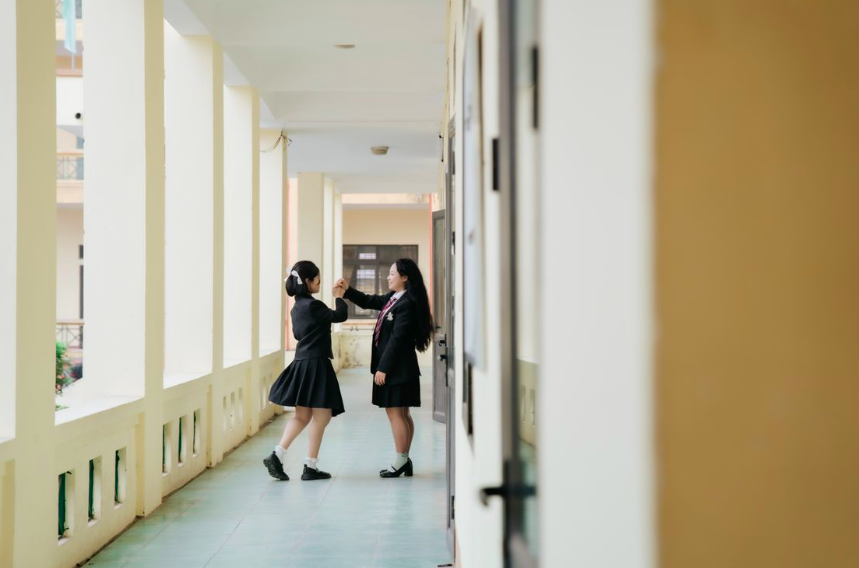
The strongest vocabulary habits extend well beyond formal schoolwork. Children naturally encounter opportunities to learn new words throughout the day when families intentionally create language-rich environments.
Conversations during meals, grocery shopping, nature walks, or family projects introduce countless opportunities to discuss unfamiliar vocabulary. Asking open-ended questions encourages children to explain their thinking using increasingly precise language.
Games can also make vocabulary practice enjoyable. Word puzzles, storytelling challenges, category games, and synonym activities encourage learners to think creatively while expanding their language skills. Because these activities feel playful, children often engage more enthusiastically than they would during traditional drills.
As vocabulary grows, so does writing ability. Learners begin replacing repetitive language with more descriptive and accurate word choices, making their writing clearer and more engaging. Parents can encourage this progress by discussing how richer vocabulary improves written communication and inviting children to revise their work using stronger language.
Vocabulary development also supports emotional and social growth. Children with broader vocabularies often find it easier to describe their thoughts, explain their feelings, and understand the perspectives of others. These communication skills strengthen relationships while building confidence in both academic and everyday situations.
Parents should also celebrate progress rather than perfection. Learning new vocabulary is a gradual process, and children will naturally forget some words before mastering them. Regular review, meaningful conversations, and continued reading provide repeated opportunities for those words to become familiar over time.
Most importantly, vocabulary learning should remain connected to genuine curiosity. Encouraging children to ask questions about unfamiliar words, explore topics that interest them, and discover language through books and experiences creates intrinsic motivation that lasts far beyond individual lessons.
Homeschooling offers the flexibility to cultivate these habits without rushing. Instead of treating vocabulary as a separate subject, families can make it part of everyday life through reading, discussion, writing, and exploration.
Over time, these consistent habits produce more than a larger vocabulary. They build stronger readers, more confident writers, thoughtful communicators, and lifelong learners who understand that every new word opens another opportunity to learn, connect, and express themselves with greater confidence.