
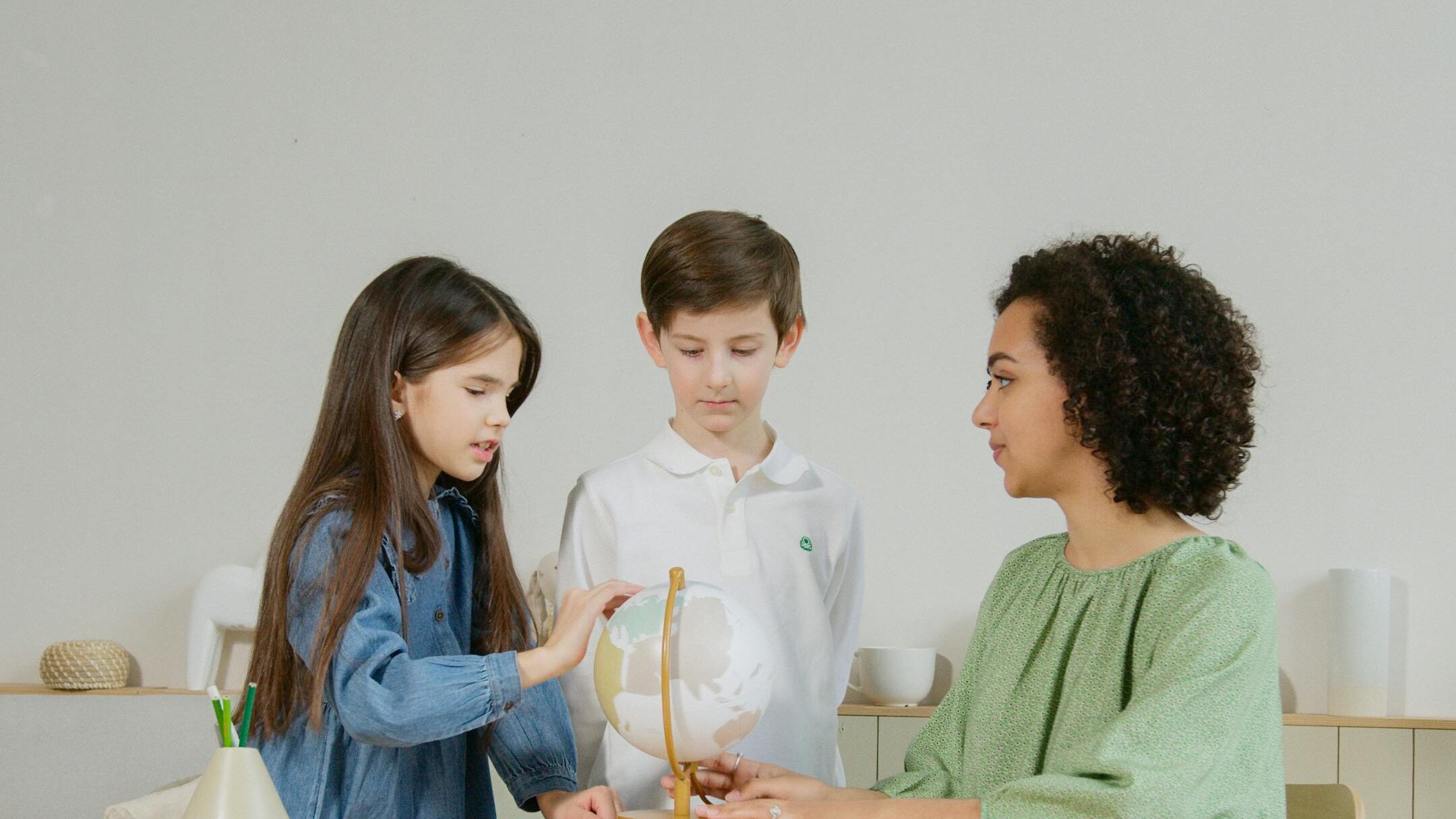
A homeschool environment offers unique opportunities to nurture language development in ways that traditional classrooms can’t always provide. One of the most valuable aspects of homeschooling is the flexibility to make vocabulary learning a natural, engaging part of daily life. When children are surrounded by rich language experiences—through reading, conversation, and exploration—they don’t just memorize words; they grow into confident, expressive communicators.
Creating a vocabulary-rich homeschool setting doesn’t require complex materials or strict routines. It’s about building an atmosphere that encourages curiosity about words, connects vocabulary to real experiences, and celebrates language in every form.
The Power of Immersive Language Exposure

A strong vocabulary foundation begins with exposure. In a homeschool environment, parents can easily integrate word learning into various subjects and everyday moments. Reading aloud, discussing new terms, and encouraging kids to ask questions about unfamiliar words are simple but powerful practices.
Frequent reading is one of the best ways to strengthen word recognition and comprehension skills. Introduce your children to a mix of literature—fiction, nonfiction, poetry, and even news articles. Each genre presents new vocabulary, contexts, and sentence structures that expand language understanding. Encourage children to keep a “word journal” where they can write down new words, their meanings, and sample sentences. This builds ownership and curiosity toward learning.
Another effective method is to model vocabulary use in conversation. When parents naturally use diverse words in daily discussions, children pick up on patterns of speech, tone, and expression. For example, replacing common adjectives like “nice” or “big” with more specific terms such as “generous” or “enormous” introduces nuance and precision.
Integrating contextual learning also helps vocabulary stick. When new words are tied to real experiences—like a nature walk, cooking session, or science experiment—they become meaningful and memorable. Homeschooling makes this kind of experiential learning easy and natural.
Practical Ways to Enrich Vocabulary at Home

Building a vocabulary-rich homeschool doesn’t have to be formal—it can be fun, interactive, and family-centered. Below are a few practical ideas for making vocabulary growth an everyday adventure.
- Word of the Day Challenges
Introduce one new word daily and find creative ways to use it throughout the day. Encourage kids to use it in sentences, stories, or even jokes. This playful repetition builds familiarity and confidence. - Label Your Environment
For younger learners, label household items like “window,” “bookshelf,” or “microwave.” For older students, introduce category-based vocabulary—such as scientific terms, literary devices, or historical concepts. - Themed Reading Weeks
Pick weekly themes like “adventure,” “nature,” or “invention.” Choose books, documentaries, and writing prompts around those topics. Themed learning helps reinforce word connections between different disciplines. - Family Word Games
Play games like Scrabble, Boggle, or homemade word bingo. These activities make word practice enjoyable while boosting spelling, critical thinking, and word retrieval skills. - Storytelling and Writing Activities
Encourage children to write short stories or keep journals using new vocabulary. Storytelling gives context to words and fosters creativity alongside language development. - Integrate Technology Wisely
Supplement lessons with vocabulary apps and digital resources that offer interactive quizzes or flashcards. These tools can track progress and make learning flexible and fun.
The key is consistency. When children see that vocabulary learning is woven into every part of their lives, it becomes a natural habit rather than a chore.
Building a Lifelong Love for Words
A vocabulary-rich homeschool is more than an educational strategy—it’s an environment that values expression, curiosity, and growth. When children develop a deep appreciation for language, they also gain confidence in how they communicate their thoughts and emotions.
As they grow older, this foundation supports success in reading comprehension, writing, and public speaking. More importantly, it helps them navigate the world with clearer understanding and empathy.
By surrounding your homeschool with language—through books, conversations, and play—you give your children the lifelong gift of strong, adaptable communication skills. The joy of discovering new words becomes part of who they are, shaping not just how they learn, but how they think and connect with the world around them.