

Vocabulary learning is a cornerstone of literacy, comprehension, and communication skills. For homeschooling families, finding ways to make word practice enjoyable is essential for keeping children motivated and engaged. By incorporating games into daily lessons, parents can turn what might otherwise feel like rote memorization into dynamic, interactive experiences that foster both fun and learning.
Why Vocabulary Games Work in Homeschool Settings

Homeschoolers benefit from a more flexible and personalized approach to education, and vocabulary instruction is no exception. Traditional workbook exercises may build knowledge, but they often lack the spark needed to make words come alive. Games, on the other hand, offer an environment where children actively engage with new terms, practice recall, and use language in meaningful ways.
A key strength of games is their ability to reinforce learning through repetition without feeling monotonous. When children play, they encounter words multiple times, improving retention. Games also encourage family interaction, allowing parents and siblings to participate in the learning process. This shared experience not only enhances vocabulary but also strengthens family bonds.
Games are also highly adaptable. Parents can tailor them to fit a child’s age, interests, or current learning level. For example, younger learners might enjoy matching games, while older students may thrive in strategy-based activities that require advanced word usage.
Fun and Effective Vocabulary Game Ideas
Homeschool families can choose from a wide variety of games to bring vocabulary practice to life. Here are some engaging ideas to try at home:
- Word Charades
Write new vocabulary words on slips of paper and have family members act them out without speaking. This not only builds word recognition but also creates hilarious and memorable learning moments. - Vocabulary Bingo
Create bingo cards with vocabulary words instead of numbers. As the parent calls out definitions, children mark the corresponding word. The first to get a row wins, reinforcing the connection between meaning and usage. - Story-Building Challenge
Select a set of target words and challenge your child to create a short story using them. This fosters creative word use and helps students understand how vocabulary fits into context. - Scavenger Hunt
Hide flashcards around the house with vocabulary words written on them. When a child finds a card, they must use the word in a sentence before keeping it. This game is especially good for kinesthetic learners. - Synonym and Antonym Match
Provide cards with words and their synonyms or antonyms. Kids must match pairs, which strengthens their understanding of word relationships and expands their word knowledge. - Vocabulary Board Games
Adapt classic games like Scrabble or Pictionary to focus on words your child is currently studying. Board games add structure and excitement while reinforcing spelling and meaning. - Digital Vocabulary Games
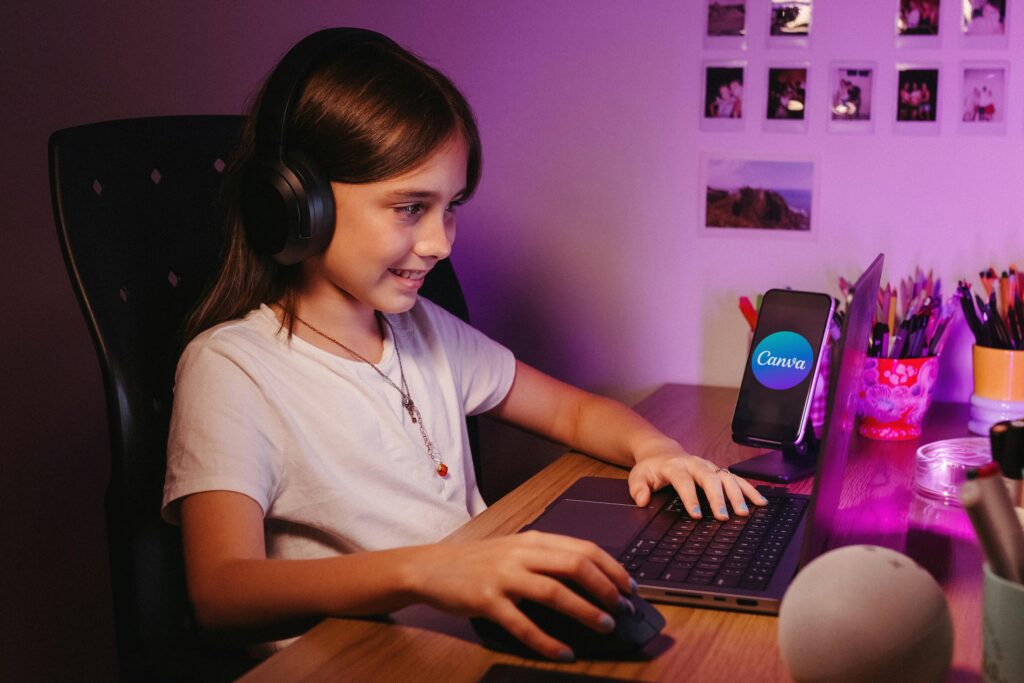
Many online platforms and apps offer fun vocabulary activities, from timed challenges to multiplayer quizzes. Adding a digital element can make practice feel modern and exciting.
Building Lasting Vocabulary Skills Through Play
The goal of homeschool vocabulary games is not only to make learning fun but also to ensure that knowledge sticks. Repetition, active engagement, and context are all vital components of retention, and games deliver these in spades.
By weaving vocabulary into playful moments, children develop a positive association with words and language. They are more likely to approach learning with curiosity and enthusiasm rather than reluctance. Over time, these activities help build confidence and fluency, skills that will serve them in both academics and everyday life.
Parents can also use games as opportunities for review and assessment. Observing how children interact with words during play can provide valuable insights into areas of strength and areas that may need additional attention. This allows for a truly personalized learning experience, a hallmark of effective homeschooling.
Ultimately, fun vocabulary games help transform the homeschool environment into a place where words are not just studied but lived, shared, and enjoyed. By integrating playful activities into lessons, families can make vocabulary growth an exciting part of daily life.