
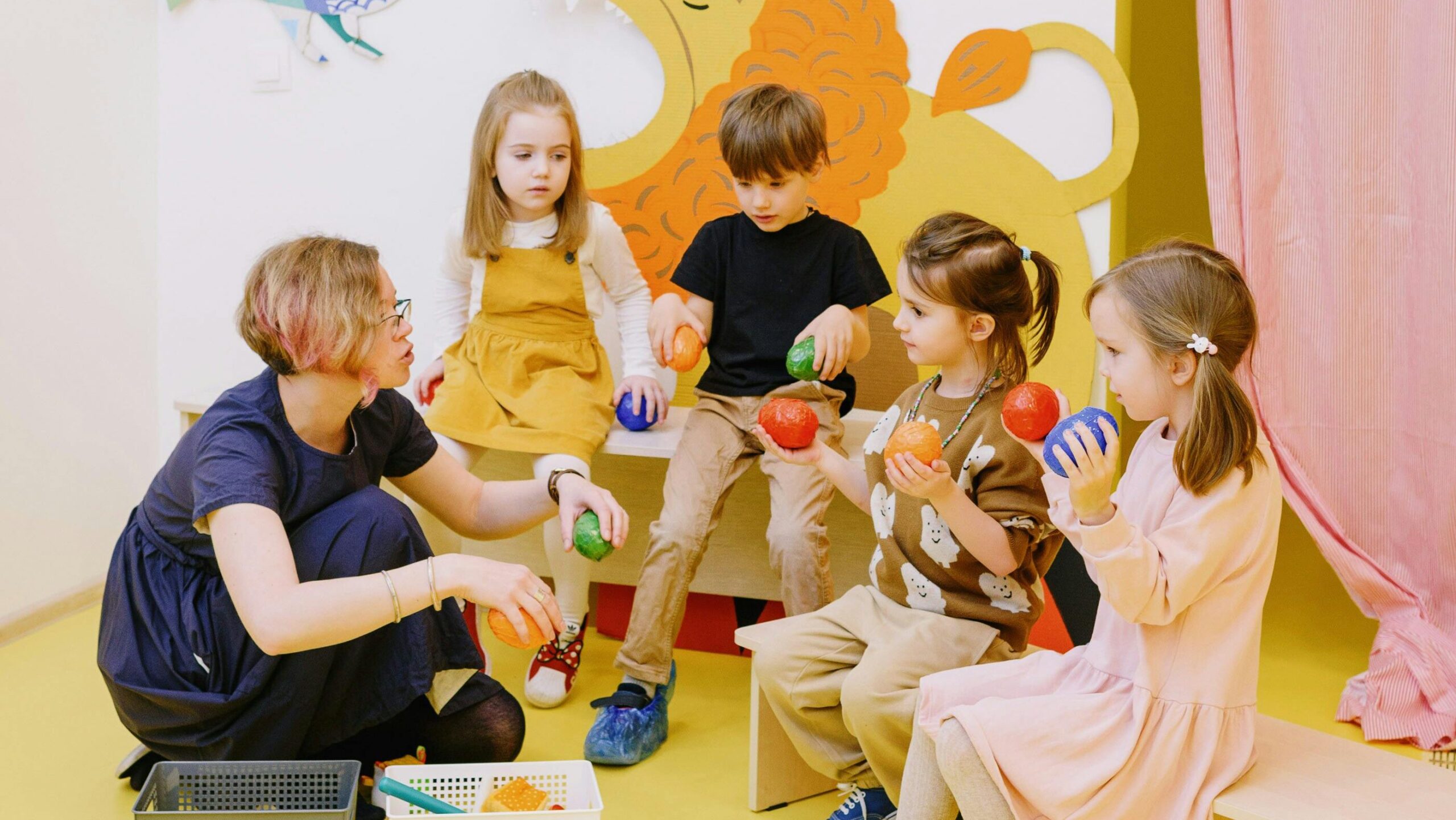
Storytelling has long been one of the most powerful tools in education. Before textbooks and digital platforms, knowledge was passed through stories—rich narratives that engaged imagination and memory. In today’s classroom, storytelling remains one of the most effective ways to build vocabulary and deepen language comprehension.
When teachers use stories to teach words, they move vocabulary learning beyond memorization. Instead, they create emotional and meaningful connections that help students understand how words work in real-life contexts. Whether told aloud, read in books, or created collaboratively, stories make vocabulary come alive.
How Storytelling Builds Stronger Word Connections
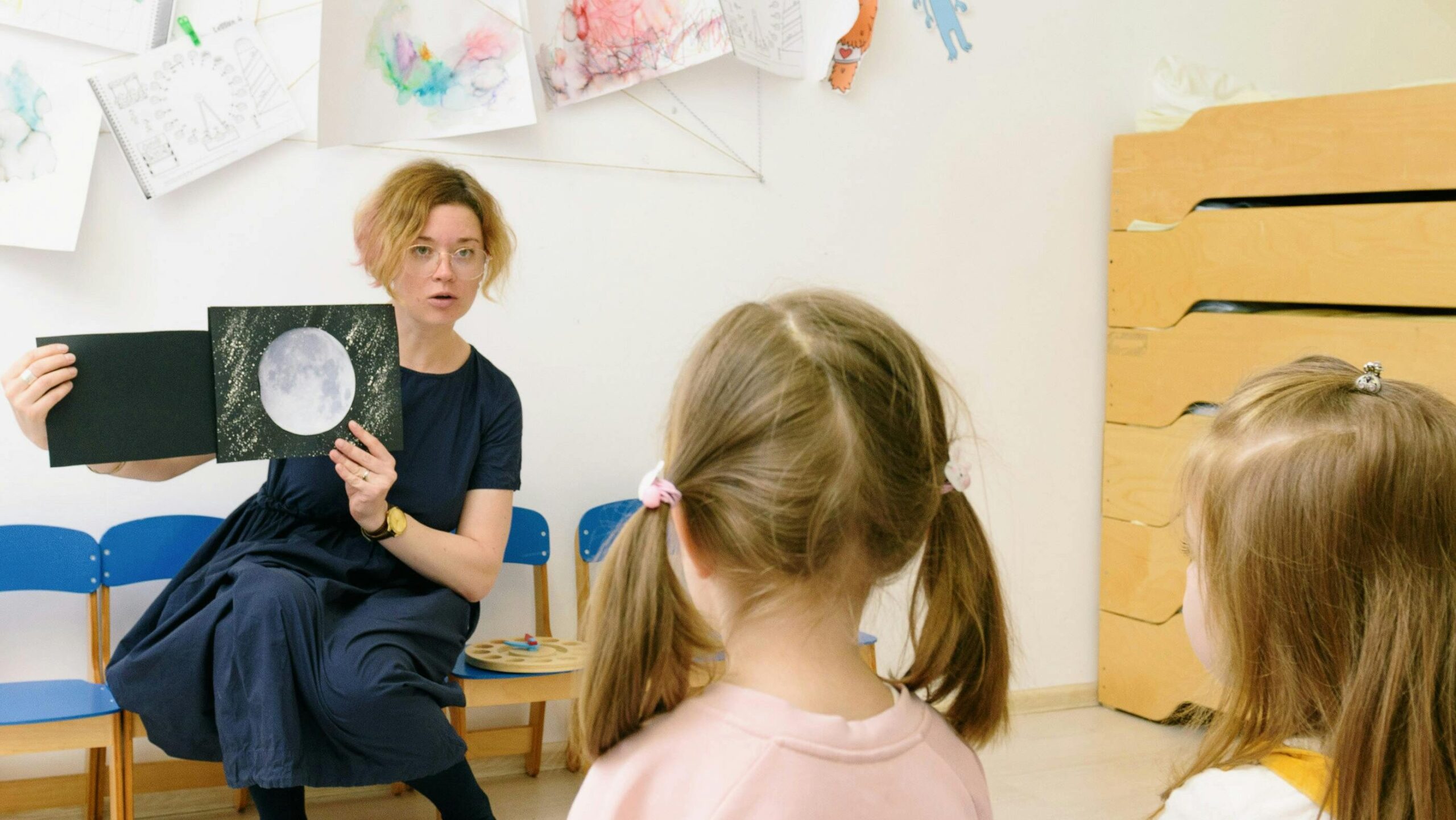
Vocabulary learning often fails when words are presented in isolation. Students may memorize definitions but struggle to use new words in conversation or writing. Storytelling changes this by embedding vocabulary in contextual learning, allowing students to see how words function naturally.
For example, rather than listing words like reluctant, courageous, and determined, a teacher might share a story about a character overcoming a challenge. As students hear and discuss the story, they encounter those words in meaningful, emotional settings—making them easier to remember and apply.
Stories also activate multiple learning pathways. When students listen to or create stories, they’re engaging auditory, visual, and emotional processing simultaneously. This multisensory experience strengthens long-term recall and understanding.
Another advantage of storytelling is its inclusivity. Students of all language backgrounds can participate, as stories rely on shared human experiences and imagination. This makes storytelling an excellent way to support both vocabulary development and cultural awareness in diverse classrooms.
Teachers can also use storytelling to introduce word exploration activities. After hearing a story, students might identify unfamiliar words, predict their meanings, and then verify them through discussion or context clues. This active approach encourages curiosity and critical thinking, two essential components of deep vocabulary learning.
When students retell or adapt stories in their own words, they reinforce vocabulary further. Each retelling becomes an opportunity to practice pronunciation, grammar, and expression—all while solidifying new word meanings.
Practical Strategies for Story-Based Vocabulary Learning

Integrating storytelling into vocabulary instruction doesn’t require elaborate preparation. With creativity and planning, teachers can easily weave stories into their lessons to support comprehension and retention.
One approach is using narrative-based lessons around key vocabulary themes. For example, if a unit focuses on weather words, students could write or perform stories about a storm, describing conditions with vivid adjectives and verbs. This kind of narrative application helps students internalize word meanings naturally.
Teachers can also invite students to create personal stories using targeted vocabulary. Giving learners ownership of their narratives increases motivation and engagement. For instance, asking students to describe “a time they faced a challenge” using words like overcome, struggle, and achievement makes vocabulary learning personal and memorable.
Collaborative storytelling can be just as effective. In small groups, students can build a story one sentence at a time, each adding a new vocabulary word. This cooperative exercise builds listening skills, reinforces understanding, and encourages creativity.
Audiobooks and digital storytelling tools offer additional ways to bring vocabulary to life. Students can record and share their own stories using multimedia platforms, combining written and spoken language. These tools are particularly helpful for visual or auditory learners, who benefit from pairing vocabulary with imagery and sound.
Assessment can also be woven into storytelling activities. Instead of traditional quizzes, teachers might ask students to write short narratives using weekly vocabulary lists. This approach evaluates not only word knowledge but also usage, comprehension, and creativity.
Most importantly, storytelling should remain enjoyable. The goal isn’t perfection but expression. When students associate vocabulary with fun and imagination, they’re more likely to retain and use new words confidently.
The Lasting Impact of Stories on Vocabulary Learning
Storytelling connects language learning to emotion, memory, and creativity—three pillars of lasting knowledge. Through stories, students move beyond memorization into mastery, understanding not just what words mean, but how they shape meaning and communication.
In classrooms where storytelling is a regular practice, vocabulary becomes more than a subject—it becomes part of students’ lived experience. The words they learn through stories stick with them, ready to be used in speaking, writing, and beyond.
Ultimately, storytelling transforms vocabulary instruction into a dynamic, engaging process that nurtures both linguistic skill and imagination. For teachers aiming to enrich their students’ language journeys, there’s no tool more timeless—or more effective—than a good story.