
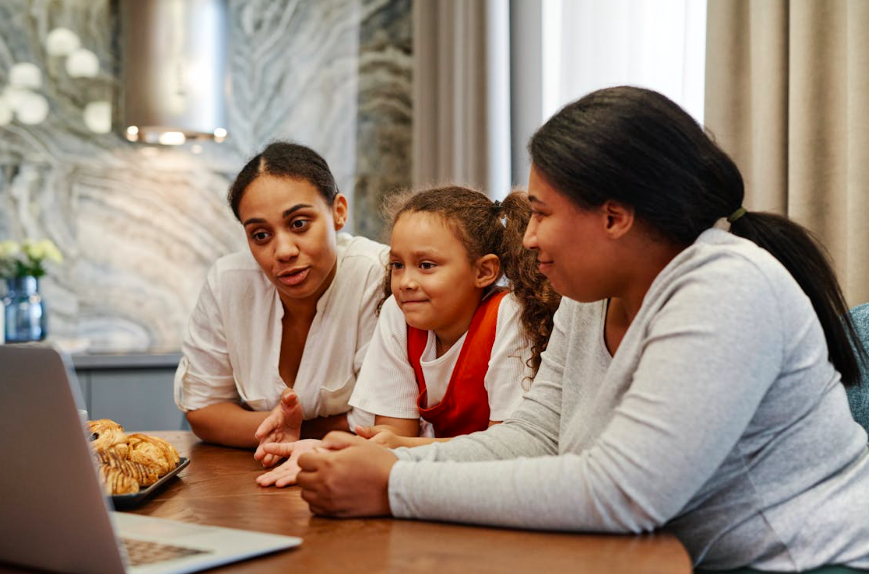
One of the greatest advantages of homeschooling is the opportunity to shape how children approach learning. Beyond mastering specific subjects, homeschool environments can foster curiosity, independence, and a genuine love for discovery. Vocabulary learning is no exception.
Rather than treating vocabulary as a list of words to memorize, homeschoolers can encourage children to develop a lasting interest in language. When learners become curious about words—how they sound, what they mean, and how they are used—they begin to build vocabulary naturally over time.
This mindset supports long-term vocabulary development by shifting the focus from short-term memorization to continuous exploration. When children are curious about language, they are more likely to notice new words, ask questions, and actively engage with communication in meaningful ways.
Encouraging this type of curiosity does not require complicated lessons. Instead, it grows through simple, consistent interactions that make language an engaging part of everyday life.
Creating a Language-Rich Home Environment

A strong foundation for lifelong vocabulary learning begins with the environment. When children are surrounded by meaningful language, they have more opportunities to encounter and explore new words.
Reading plays a central role in this process. Books, articles, and stories introduce learners to diverse vocabulary in context. Reading aloud together allows parents to pause and discuss unfamiliar words, helping children understand their meanings and usage.
Conversations are equally important. When parents use descriptive language and explain ideas clearly, they model effective communication. Asking open-ended questions—such as “How would you describe that?” or “What do you think this word means?”—encourages children to think more deeply about language.
These interactions support word curiosity, helping learners develop an interest in discovering and understanding new vocabulary.
Labeling and describing everyday objects and activities can also reinforce learning. Whether cooking, organizing, or exploring outdoors, parents can introduce new words naturally as part of the experience. This helps children connect vocabulary with real-world contexts.
Another helpful strategy is keeping a visible word board or list. When children encounter new or interesting words, they can add them to the board. Reviewing these words regularly reinforces memory and encourages continued exploration.
Importantly, a language-rich environment should feel supportive and pressure-free. Curiosity thrives when learners feel comfortable asking questions and experimenting with new words.
Encouraging Independent Exploration of Words

In addition to creating a supportive environment, homeschoolers can encourage children to take an active role in their own vocabulary learning.
One effective approach is helping learners develop the habit of noticing unfamiliar words. When reading or listening, children can be encouraged to pause and ask about words they do not recognize. This simple habit builds awareness and reinforces the idea that learning new words is a natural part of communication.
Keeping a personal vocabulary journal is another valuable practice. Learners can write down new words along with their meanings, example sentences, or drawings. Over time, this journal becomes a reflection of ongoing vocabulary growth.
Parents can also introduce fun challenges, such as using a new word in conversation during the day or finding examples of recently learned words in books or media. These activities make vocabulary learning interactive and engaging.
Storytelling is another powerful tool. Encouraging children to create stories using new vocabulary helps reinforce understanding and promotes creative expression. It also allows learners to experiment with how words fit into different contexts.
Technology can support independent exploration as well. Digital dictionaries, reading apps, and educational tools provide quick access to definitions and examples, making it easier for learners to investigate new words on their own.
It’s also helpful to celebrate curiosity. When children ask questions about words or use new vocabulary in conversation, acknowledging their effort reinforces positive learning habits.
Ultimately, the goal is not just to teach vocabulary, but to inspire a lifelong interest in language. When learners are curious about words, they continue to expand their vocabulary naturally through reading, conversation, and experience.
For homeschoolers, this approach creates a powerful learning environment where vocabulary development becomes part of everyday life. Over time, children gain not only a stronger command of language but also the confidence to explore and express their ideas.
By encouraging curiosity, supporting exploration, and modeling thoughtful communication, families can help learners build vocabulary skills that last well beyond their formal education.