

In modern classrooms, technology has become an essential ally in teaching vocabulary. Whether lessons take place in person or online, digital tools can transform traditional instruction into interactive, student-centered learning experiences. These tools not only enhance vocabulary retention but also make learning more engaging and accessible for diverse learners.
As digital learning continues to grow, teachers have more options than ever to create customized and immersive vocabulary experiences. From adaptive learning apps to collaborative online games, technology opens new doors for how students learn and use words in context.
Enhancing Vocabulary Instruction with Digital Tools

The most effective digital tools for vocabulary instruction go beyond simple word lists and flashcards. They incorporate active engagement, personalization, and data tracking to give teachers insight into each student’s progress.
For example, many teachers now use interactive vocabulary platforms that allow students to learn through gamified challenges, quizzes, and multimedia resources. These platforms combine visuals, sounds, and context-based examples, which help students connect meaning with usage. Interactive features—such as matching games or sentence-building tasks—can make word learning feel like play rather than memorization.
Teachers can also leverage adaptive learning technology, which tailors instruction to each learner’s ability level. These tools analyze student responses in real time and adjust the difficulty of exercises accordingly. For struggling learners, this means additional support and practice, while advanced students can move on to more complex applications of vocabulary in reading and writing.
Digital flashcard apps, word-mapping tools, and cloud-based classroom platforms also allow teachers to organize, assign, and assess vocabulary tasks efficiently. Many of these tools provide analytics that highlight which words or concepts students are mastering—and where they might need reinforcement.
Another advantage is accessibility. Students can access vocabulary tools anytime, anywhere—on tablets, laptops, or phones—allowing for continuous learning outside of classroom hours. This kind of flexibility helps build consistent study habits and reinforces learning through repetition and exposure.
Encouraging Collaboration and Creativity
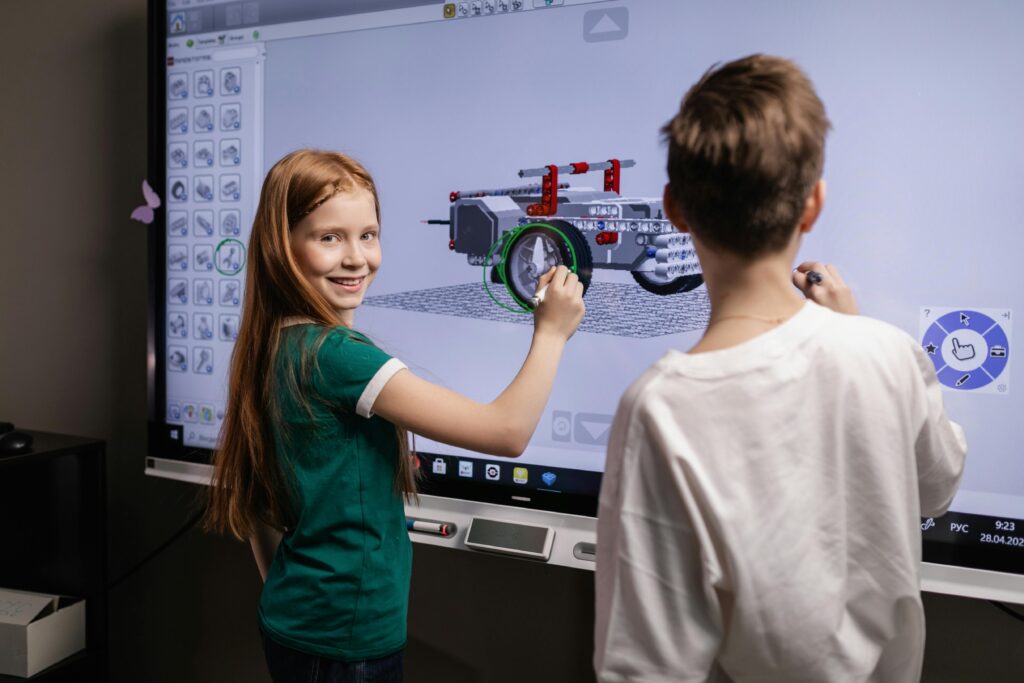
Digital tools don’t just make learning easier—they make it more collaborative. Many online platforms allow students to work together on vocabulary-related activities, encouraging teamwork and communication.
Teachers can use digital word games to promote healthy competition and active participation. For instance, online games that reward students for correct usage, quick recall, or contextual application can turn vocabulary learning into an exciting classroom event.
Collaborative tools such as shared documents, discussion boards, or classroom apps let students create and explore words collectively. They can build digital glossaries, illustrate word meanings through visuals or videos, and even develop word-based stories as group projects. This kind of creative expression reinforces comprehension and helps students internalize vocabulary through practical use.
Teachers can also connect vocabulary instruction to broader literacy goals by integrating reading and writing technology. For example, pairing e-books with built-in dictionaries and highlighting tools allows students to discover and define new words directly from the text. Similarly, writing software with vocabulary suggestions helps students expand their word choices while practicing composition skills.
By incorporating these tools, educators can nurture contextual vocabulary learning, where students not only memorize definitions but also understand how to use words appropriately in speech and writing. This approach fosters deeper comprehension and long-term retention.
The Benefits of a Digital Vocabulary Classroom
The integration of technology in vocabulary instruction benefits both teachers and students. For educators, digital tools simplify lesson planning, data tracking, and differentiation. For students, they make learning interactive, accessible, and personally meaningful.
Moreover, digital vocabulary instruction supports diverse learning styles—visual, auditory, and kinesthetic—ensuring that every student can engage with the material in the way that suits them best. It also promotes independence, allowing learners to take ownership of their progress while still being guided by teacher support.
As education continues to evolve, embracing digital tools for vocabulary instruction empowers teachers to make language learning more effective and enjoyable. Technology, when used thoughtfully, doesn’t replace traditional teaching—it enhances it, offering new opportunities for creativity, collaboration, and lifelong learning.