

Vocabulary development plays a central role in every homeschool curriculum, but not every child learns new words the same way. One of the greatest advantages of homeschooling is the ability to adapt instruction to each student’s unique strengths and preferences. When vocabulary lessons match a child’s learning style, retention improves, confidence grows, and language skills develop more naturally. By understanding how different learners absorb information, parents can create more effective and enjoyable vocabulary experiences at home.
Understanding Learning Styles in the Homeschool Setting
Homeschoolers often thrive because they have the freedom to learn in ways that feel intuitive and supportive. Vocabulary instruction becomes more impactful when it aligns with how a student processes information—whether visually, auditorily, or through movement. While learning styles are not rigid categories, they offer helpful guidance when shaping lessons and selecting activities.
Visual learners, for example, tend to remember information better when it’s presented through images, diagrams, or written words. These students benefit greatly from materials like illustrated flashcards, word maps, or color-coded lists. They also respond well to digital tools that present vocabulary in visually organized formats, helping them associate definitions with clear mental pictures.
Auditory learners absorb new words best when they hear them spoken aloud. They may enjoy listening to passages, repeating vocabulary terms, or discussing word meanings in conversation. Activities such as reading aloud, playing word-based audio games, or using voice-recording features in digital platforms can make vocabulary practice more engaging. These learners also tend to excel when lessons incorporate rhythm or repetition.
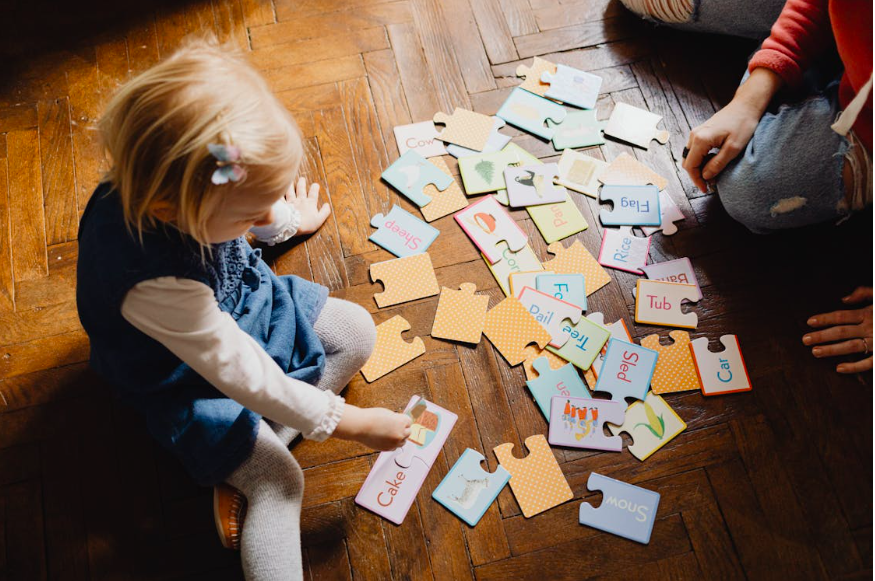
Kinesthetic learners prefer hands-on experiences and learn by doing. Traditional workbook-style vocabulary tasks may feel restrictive to them, but movement-based activities open new pathways for retention. Parents can create opportunities through word-sorting games, scavenger hunts, or interactive challenges that allow children to manipulate objects while learning definitions. Even something as simple as writing words in sand, building them with letter tiles, or acting them out can make vocabulary more meaningful.
For many homeschoolers, a blended approach works best. Children often draw from more than one learning style depending on the subject or task. This flexibility makes homeschooling an ideal environment for experimenting with different methods until the right balance becomes clear.
Tailoring Vocabulary Lessons to Build Stronger Understanding

Once parents understand how their child learns best, they can design lessons that support deeper comprehension and long-term mastery. Start by building a predictable routine that fits the student’s natural style. For visual learners, this might include creating weekly word charts or using graphic organizers. For auditory learners, it might involve regular read-aloud sessions. Kinesthetic learners may need frequent breaks and activities that let them move while practicing new words.
Regardless of the learning style, context is key. Children remember vocabulary more effectively when they encounter words in meaningful situations. Encourage them to use new terms in conversations, writing assignments, or real-life experiences. This type of active engagement helps build a more rich vocabulary that grows steadily over time.
Digital tools can also support personalized learning by offering diverse formats that match different styles. Many programs include audio pronunciations, visual cues, and interactive tasks that appeal to multiple types of learners. When selecting a tool, look for features that promote consistent practice, such as spaced repetition or customizable word lists. These features reinforce long-term mastery and help homeschoolers build strong language skills at their own pace.
Another effective strategy is connecting vocabulary to interests. Whether a child loves science, art, history, or storytelling, introducing subject-specific words can help spark curiosity and make learning more memorable. Parents can build thematic word sets, create mini-projects, or encourage children to explore words that appear in their favorite books or hobbies. This approach deepens understanding and makes vocabulary feel useful rather than abstract.
Reflection also plays a role in strengthening vocabulary development. Encourage students to talk about what strategies help them learn best. Some may find that combining methods—like drawing a picture and then discussing the definition aloud—gives them the strongest results. The more students understand themselves as learners, the more they will take ownership of their vocabulary growth.
Homeschooling offers the perfect environment for this kind of personalization. With flexibility, creativity, and a learner-centered approach, vocabulary lessons can become a powerful tool for communication, comprehension, and lifelong learning. By tapping into each student’s natural style, parents can build a solid vocabulary foundation that supports academic success and everyday confidence.