Vocabulary learning has come a long way since the days of index cards and handwritten definitions. While flashcards still have their place, today’s learners are entering an era of smart vocabulary tools powered by data, personalization, and artificial intelligence.
This shift—from static memorization to dynamic, responsive learning—has opened new possibilities for how students of all ages engage with words. In this blog, we explore what makes smart vocabulary tools so effective and why they’re reshaping the way we build language skills.
Why Traditional Tools Had Limits
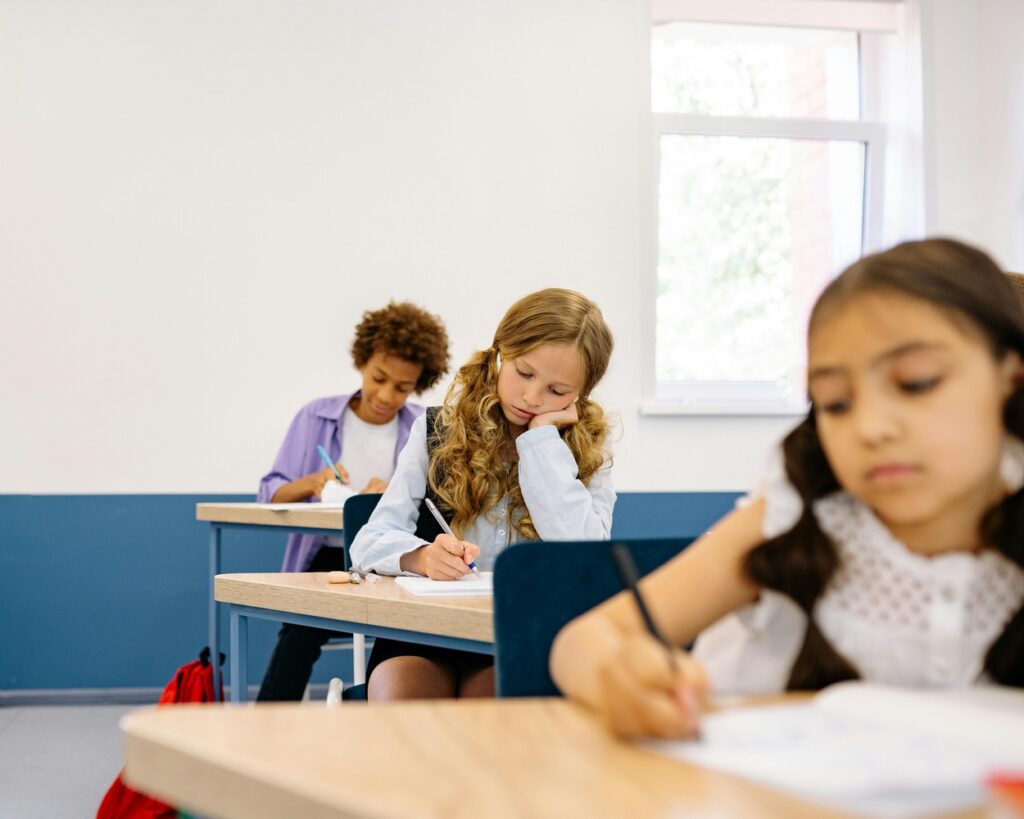
Flashcards, word lists, and workbook-style activities helped many students in the past. They’re familiar, low-tech, and easy to implement. But they often rely on repetition without context or adaptability.
The limitations?
- There’s little connection to how words are used in real life
- Everyone gets the same list, regardless of ability
- It’s hard to know which words stick and which don’t
- Learners may memorize without true understanding
As education evolves to support differentiated instruction, these tools can feel outdated—especially for students who need a more customized approach.
Boost student vocabulary, spelling, and literacy with Wordela!
Boost vocabulary, strengthen reading skills, and study smarter with a platform designed to keep learners engaged and growing—wherever they are.



What Makes Vocabulary Tools “Smart”?
Smart vocabulary tools go beyond memorization. They use technology to create a more meaningful, engaging, and personalized learning experience.
Here’s how they do it:
Personalized Word Paths
Smart tools assess a learner’s existing knowledge and adjust the difficulty and content in real time. Tools like Wordela tailor word selection and review frequency based on how each student performs—ensuring progress is both steady and sustainable.
Contextual Learning
Instead of teaching isolated definitions, smart tools present words in sentences, stories, or real-world situations. This helps learners grasp meaning, usage, and nuance.
Adaptive Review
Using principles like spaced repetition, these tools bring back words just when a learner is about to forget them—proven to support long-term retention.
Multimedia Support
Modern tools offer pronunciation audio, visual word associations, root analysis, and interactive exercises. These multisensory experiences help learners with different strengths—especially visual and auditory learners—better absorb new vocabulary.
Progress Tracking
Smart platforms offer detailed progress reports and insights, helping learners and educators see growth, spot challenges, and stay motivated.
The Role of Wordela in Smart Vocabulary Learning
Among today’s leading smart tools, Wordela stands out for combining evidence-based learning with an engaging, user-friendly design. Whether you’re a student building academic vocabulary, a teacher supporting diverse classrooms, or a lifelong learner expanding your word bank, Wordela adapts to your needs—making vocabulary growth accessible and exciting.
By integrating visual learning, adaptive algorithms, and personalized word journeys, Wordela transforms vocabulary into a skill students can truly own.
Looking Ahead: Vocabulary Learning for the Future
As education continues to embrace digital innovation, the rise of smart vocabulary tools represents more than just a trend—it’s a transformation. These tools are making vocabulary instruction more inclusive, more efficient, and more aligned with how we actually use language in real life.
From flashcards to algorithms, we’re not just remembering words—we’re connecting with them in deeper, more lasting ways.
Not on Wordela Yet? You're Missing Out!
Students master vocabulary, sharpen reading skills, and supercharge learning with Wordela—the smart platform for adaptive, engaging language development. Whether you’re a student, a homeschooler, or leading a classroom, Wordela has the perfect path to help you succeed!
Choose Your Ideal Experience: